
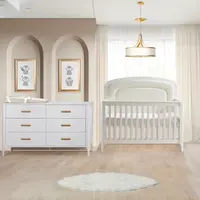
What Size Luxury Baby Crib Fits Your Nursery Best?
Summary: Choosing the right crib size affects your nursery's safety, comfort, and daily usability. This guide explains how to measure your nursery, compare crib sizes, maintain proper furniture spacing, and create a balanced room using premium nursery furniture that grows with your family's needs.
Choosing a crib is not only about style. It is about creating a nursery that feels open, safe, and easy to use every day. The right-sized crib, paired with luxury baby furniture, helps you build a room that supports your growing family from the very beginning.
A beautiful nursery should never feel crowded. Every piece should have its own place. When your crib fits the room well, feeding, changing, rocking, and bedtime become smoother. That is why crib size deserves as much attention as the design itself.
Quick Answer: What Size Luxury Baby Crib Fits Best?
The best crib size depends on your nursery dimensions, furniture layout, and walking space. Standard cribs suit medium and large nurseries, while compact cribs work well in smaller rooms. Leave enough space around the crib for safe movement, easy cleaning, and everyday care.
Why Crib Size Changes Your Entire Nursery Experience
A crib often becomes the visual center of the nursery. If it feels too large, the room quickly loses balance. If it feels too small, the space may not meet your family's long-term needs.
Good furniture planning creates a calm rhythm throughout the room. Every cabinet, dresser, chair, and storage piece should feel connected rather than squeezed together. This balance improves both comfort and safety.
Start With Accurate Nursery Measurements
Before looking at crib collections, measure your nursery carefully. Record the room's length and width. Then measure windows, doors, closets, heating vents, and electrical outlets.
These details help you understand the usable floor space instead of simply relying on the room's total size. Many parents discover that a room feels much smaller once everyday furniture is included.
A simple floor sketch makes planning easier. Draw the room on paper and place each furniture piece before making a purchase. This small step can prevent expensive design mistakes later.
Standard Cribs: A Long-Term Investment
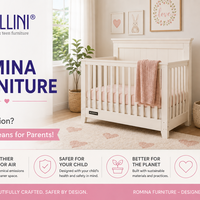
Standard cribs remain the most popular choice because they provide generous sleeping space while supporting your baby's growth.
They fit comfortably inside medium and larger nurseries where furniture placement has enough flexibility. Many premium models also transition into a crib to full bed, making them a practical investment for many years.
If your nursery has enough space, a standard crib creates a balanced focal point without limiting future furniture additions.
Compact Cribs: Small Space, Big Comfort
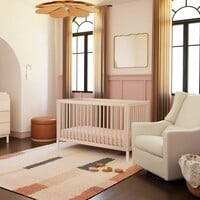
Compact cribs offer smart solutions for apartments, smaller nurseries, and guest rooms. Although they occupy less floor space, many premium designs still provide excellent comfort and craftsmanship.
A compact crib also creates extra room for nursing chairs, storage cabinets, or open play areas. That added flexibility often makes daily routines much easier.
Smaller furniture does not mean compromising on style. Carefully designed premium collections maintain elegant finishes, beautiful detailing, and lasting durability while fitting naturally into limited spaces.
Leave Enough Clearance Around the Crib
The crib itself is only one part of the layout. Safe movement around it matters just as much.
Leave comfortable walking space on every accessible side. This makes lifting your baby easier while reducing the chance of bumping into nearby furniture during late-night feedings.
Avoid placing the crib directly beside windows with hanging cords or heavy curtains. Keep it away from heaters, vents, and furniture that encourages climbing as your child grows.
Create Comfortable Furniture Spacing
A nursery should feel peaceful rather than crowded. Each furniture piece should support your daily routine instead of creating obstacles.
Position the changing station close to the crib for convenience. Keep dressers within easy reach while allowing enough room for drawers to open fully.
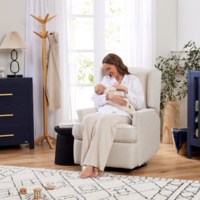
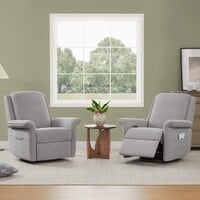
Your nursing chair should also have generous clearance so you can sit, stand, and rock comfortably without feeling restricted.
Why Layout Matters More Than Room Size
Many parents believe a larger nursery automatically creates a better experience. In reality, thoughtful planning matters far more than square footage.
Even modest rooms can feel spacious when furniture is arranged with purpose. Clear pathways, balanced furniture placement, and open visual space create a nursery that feels welcoming every single day.
The right combination of luxury baby furniture allows your nursery to remain functional while maintaining an elegant, timeless appearance.
Pair Your Crib With Furniture That Works Together
A nursery works best when every furniture piece complements the next. Matching finishes, balanced proportions, and thoughtful placement create a room that feels peaceful instead of busy.
Choose dressers, wardrobes, shelving, and seating that fit the scale of your crib. Oversized furniture can overwhelm the room, while smaller pieces may leave the space feeling unfinished.
Plan for Daily Movement
You will walk through the nursery many times each day. Feeding, diaper changes, soothing, and bedtime all become easier when the room supports natural movement.
Keep the path between the crib, changing station, and nursing chair clear. A simple layout reduces stress, especially during nighttime routines when every step matters.
Think Beyond the Baby Years
Your nursery should continue serving your family as your child grows. Choosing premium furniture today can reduce future replacements and maintain a consistent design throughout the room.
Look for collections that coordinate across different stages. Flexible furniture helps the room grow naturally while protecting your investment over time.
Small Design Details Make a Big Difference
Lighting, rugs, bedding, and window treatments help complete the nursery without making it feel crowded. These finishing touches soften the space and create a warm atmosphere.
Choose calming colors and natural textures that support relaxation. Decorative accessories should enhance the room rather than compete with its main furniture pieces.
Common Nursery Planning Mistakes to Avoid
Many parents focus only on how a crib looks. Function often receives less attention, which can lead to daily frustration.
Avoid placing furniture too close together. Do not block closet doors or windows. Leave enough room for drawers to open completely and for comfortable walking around the nursery.
Measure every furniture piece before ordering. A few extra minutes with a measuring tape can save hours of rearranging later.
How to Know You Have Chosen the Right Crib Size
Your nursery should feel balanced the moment you step inside. Nothing should appear cramped or oversized. You should move comfortably from one area to another without changing your path.
The crib should feel like the natural center of the room while leaving enough space for storage, seating, and future additions. When every piece works together, the nursery becomes both practical and beautiful.
Final Thoughts
Choosing the right crib size is about more than dimensions. It shapes how your nursery functions every day. Careful measuring, thoughtful furniture spacing, and a balanced layout help create a safe, comfortable space that grows with your family.
At Bellini Baby and Teen Furniture, we help you create beautiful nurseries with premium furniture, baby gear, and thoughtful room planning. We are happy to guide you. Please email [email protected] with your questions and let us help you choose furniture that fits your nursery perfectly.
Frequently Asked Questions
1. What is the difference between a standard crib and a compact crib?
A standard crib offers more sleeping space and suits medium or large nurseries. A compact crib saves floor space, making it a practical choice for smaller rooms and apartments.
2. How much space should I leave around a baby crib?
Leave enough walking room around the crib for comfortable movement and easy access. Proper spacing also makes cleaning, feeding, and nighttime care much safer and more convenient.
3. Can a luxury crib fit in a small nursery?
Yes. Many premium furniture collections include compact crib options that provide excellent craftsmanship while fitting comfortably into smaller nursery layouts without sacrificing style or function.
4. What furniture should I place near the crib?
A changing table, dresser, and comfortable nursing chair work best near the crib. Keep each piece within easy reach while maintaining clear pathways throughout the nursery.
5. Why should I measure my nursery before buying furniture?
Accurate measurements help you select furniture that fits comfortably, prevents overcrowding, improves room flow, and creates a nursery that remains functional as your child grows.