


Are Loft Bed Drawer Stairs Practical for Shared Kids' Rooms?
Summary: Drawer stairs can make shared kids’ rooms more organized when storage, floor space, accessibility, and traffic flow are planned together. Assign each child personal storage, keep walkways clear, and place everyday belongings within easy reach. A well-designed loft bed can reduce clutter while creating a room that feels comfortable, attractive, and ready to grow.
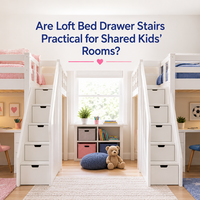
Two children can share one room beautifully until beds, clothes, books, toys, and school gear start fighting for every inch of floor space. That is where loft bed drawer stairs can change the layout.
Yes, drawer stairs can work well in shared kids’ rooms when storage, access, and movement are planned together. The right design turns unused vertical space into useful storage without crowding the room.
Why Drawer Stairs Work Well in Shared Rooms
A shared bedroom has two jobs at once. It must give each child a comfortable sleep zone while keeping everyday belongings easy to reach, sort, and put away without adding clutter.
A loft bed already saves floor space by moving one sleeping area upward. Adding drawers into the stairs uses another overlooked zone, reducing the need for extra storage furniture nearby.
Drawer stairs can also create a useful boundary between sleeping and storage. One child can use assigned drawers while the other gets a separate section, helping reduce many daily disputes.
Give Each Child a Fair Storage Share
Storage feels fair when ownership is obvious. Instead of creating one large drawer bank, divide drawers by child, category, or daily use. Simple labels can help younger children remember their spaces.
You might reserve shared drawers for bedding and seasonal items. Keep everyday clothing, favorite toys, and school supplies in individual drawers that each child can reach and manage with ease.
This approach does more than tidy the room. It teaches children that shared space can still include personal ownership, giving each child a small territory without needing another cabinet.
Check Floor Space Before You Choose
A loft bed can free valuable floor area, but the stairs still need room around them. Measure the full footprint, including drawer openings and the paths children naturally use every day.
Think about the room during its busiest moments. One child may dress while another walks toward the desk. A parent may carry laundry through the same route. Tight layouts become frustrating quickly.
Keep Traffic Flow Smooth
The best shared-room layout is not simply the one that fits on paper. It is the one that works when two children move through the room at the same time.
Place the stairs where they do not create a bottleneck near the doorway, closet, desk, or bathroom route. If drawers open into a main path, reconsider the position before ordering.
Try a simple test before buying. Mark the proposed bed footprint with painter’s tape. Walk around it, open imaginary drawers, and test the route with both children before committing to the layout.
Make Accessibility Part of the Design
A drawer is only useful when your child can reach it comfortably. Deep storage may look impressive, yet it can become a messy cave when small hands cannot see inside.
Choose drawer heights that match the child using them. Keep daily items within easy reach, while reserving deeper spaces for linens, seasonal clothing, or belongings used less often.
For younger children, accessibility also means safe movement. Follow the manufacturer’s age, weight, guardrail, ladder, and stair guidance. Furniture should support independence without encouraging unsafe climbing habits or shortcuts.
Plan for Easier Nighttime Movement
Nighttime changes how a room works. A child climbing down from a loft needs a clear landing area, sensible lighting, and a route that does not force them around furniture.
A small wall light or soft night-light can define the stair area. Keep loose toys, baskets, and cords away from the landing zone so sleepy steps remain predictable and comfortable.
Use Drawers for the Right Things
Not every belonging needs a drawer. Use stair storage for folded pajamas, socks, small toys, books, craft supplies, extra bedding, or personal keepsakes that fit neatly inside without overfilling the available space.
A useful rule is simple: store small, frequent-use items close to the child. Put bulky or seasonal belongings elsewhere. This keeps drawers functional and makes everyday cleanup easier.
Keep Personal Belongings Clearly Separate
Shared furniture does not mean every possession must be shared. Give each child a consistent drawer zone, then add simple labels, initials, or small design details if helpful for ownership.
Choose Furniture That Can Grow With Them
Shared rooms change quickly. Toddlers become school-age children, then teens. Their clothing, hobbies, books, study needs, and need for privacy change along with them over time, too.
Choose a loft configuration that suits the children’s current ages while allowing room for future needs. Look for sturdy construction, practical proportions, useful storage, and finishes that can age gracefully.
When Drawer Stairs May Not Be the Best Fit
Drawer stairs are not automatically right for every room. A very narrow bedroom may need simpler stairs, a ladder, or another bed arrangement to preserve comfortable movement and useful floor space.
They may also be less suitable when one child has mobility needs that make raised sleeping areas difficult. Accessibility should guide the entire room plan, not become an afterthought for your family.
Test the Layout Before You Buy
Before choosing a loft bed with drawer stairs, measure the room, doorway, closet clearance, and walking space. Then map each child’s storage needs and test the layout before purchasing or placing furniture.
Ask five questions: Can both children reach their belongings? Can drawers open fully? Is the main walkway clear? Does each child have personal storage? Will the setup still work as they grow?
Think Beyond One Furniture Piece
If you are searching to shop baby furniture near me, look beyond one beautiful piece. Consider how the whole room will function, how your child will use it, and how the furniture will age.
Make the Shared Room Work for Your Family
Bellini Baby and Teen Furniture can help you plan a shared room as a complete space, not just a collection of pieces. We invite you to explore furniture, storage, and room essentials, then email [email protected] or call 561-392-7444 with questions.
FAQs
1. Are drawer stairs safe for children?
They can be, when the loft bed follows manufacturer safety guidance and the child meets the recommended age, size, and use requirements. Keep stairs and landings clear.
2. Do drawer stairs save space in a shared bedroom?
Yes. They combine loft access with storage, which can reduce extra floor-standing furniture and preserve more open floor area for play and movement.
3. How should siblings divide drawer storage?
Assign each child a clear drawer zone. Shared drawers can hold bedding or seasonal items, while personal drawers hold clothing, toys, and daily essentials.
4. What should you store in loft bed drawers?
Use them for compact items such as pajamas, socks, books, toys, craft supplies, and folded linens. Keep bulky items in larger storage furniture.
5. Can loft beds work as children grow?
Yes, depending on the design and manufacturer guidance. Choose durable materials, flexible configurations, and storage that can support changing clothing, hobbies, and study needs.